
Skip to content

Altitude Training

Training

Altitude training.

Altitude training at Exercise Institute gives athletes a controlled way to prepare for the physiological demands of racing or training in reduced oxygen environments.

Racing at altitude can create large reductions in VO2 max because oxygen is not transferred as quickly as it is at sea level. Being prepared for that experience is vital to performing well at altitude.

Why this matters.

Adaptation

Prepare the system.

Altitude exposure creates a different physiological environment, so the body needs time to adapt to the additional stress before a key event.

Performance

Race with control.

For athletes targeting altitude events, preparation can help reduce the shock of competing where oxygen availability is lower than at sea level.

Monitoring

Respond individually.

Altitude response is individual. Blood oxygenation, fatigue, health and readiness should guide how exposure is progressed over time.
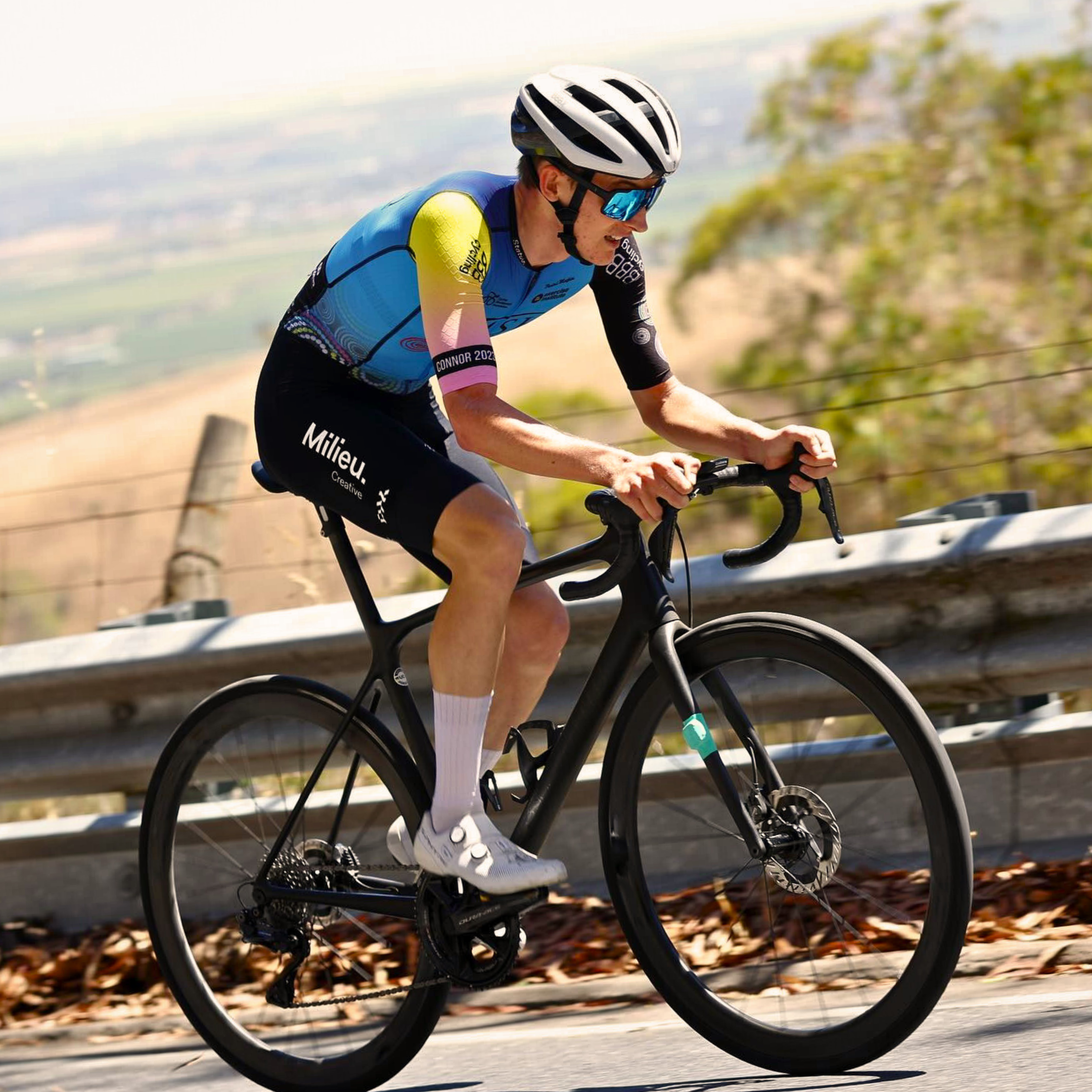
Exercise Institute altitude training system
System Overview

At-home altitude training support.

The Exercise Institute altitude training system can be installed in your own home and used to support both sleep-based and exercise-based altitude exposure.

Sleep training involves sleeping in the tent while in bed. Exercise training involves using the system during training. Together, these approaches can support preparation for above-sea-level performance and, when carefully applied, sea-level performance.

  • At-home altitude system installation available.
  • Sleep training and exercise training options.
  • Progressive altitude exposure based on adaptation and monitoring.
  • Morning blood oxygenation tracking with a pulse oximeter.

FAQ’s.

Suitability

Who can utilise altitude training?

Anyone can utilise altitude training, providing they are fit and healthy to do so.

This form of training increases resting metabolic rate. If you have any health concerns, please consult your general practitioner before starting altitude training.

System

What is the altitude training system?

The system offers two altitude training options: sleep training and exercise training.

Sleep training involves sleeping in the tent while in bed. Exercise training involves using the system while training.

Taken together, these options can enhance preparation for above-sea-level performance and may support sea-level performance when applied carefully to the individual athlete.

Progression

What can I expect from the system?

Altitude can be increased over time so the exposure progresses with your adaptation.

Progression is based on blood oxygenation levels, taken each morning with a pulse oximeter.

This allows sleeping and training exposure to be adapted around your individual adaptation rate, rather than assuming every athlete responds the same way.

Equipment

What equipment do I need?

You need a suitable home setup for the altitude system and your training equipment.

You will need a power point near your bed and close to your training devices, such as an indoor treadmill, cycling trainer, rower or walker.

Athlete Type

Who needs to undertake this type of training?

Altitude training suits people wanting an extra edge beyond usual exercise training alone.

Generally speaking, altitude training can be used to improve performance at altitude or, with careful application, support sea-level performance depending on the athlete’s needs.

It is a more advanced training system, so it should be used as part of a structured training approach rather than as a standalone shortcut.

Timing

How long before my event do I need to start?

Altitude adaptation usually needs a longer time course, so it should start months before the event.

Altitude adaptation is more chronic than acute. The system should be implemented months prior to the event date so the athlete has time to adapt, monitor response and adjust training appropriately.

Training should start with lower intensity and volume before building load, while recovery, fatigue and individual response are monitored.

Response

What are altitude non-responders?

Not every individual responds to altitude training in the same way.

There are responders and non-responders to altitude exposure. This may be partially genetic, but it is also linked to homeostasis, or how in balance the body is when the altitude stress is introduced.

If an athlete enters altitude training sick or poorly recovered, the body may struggle to recover under the added load. Being well rested and ready for work is important.

Prepare properly for altitude.

Contact Exercise Institute to discuss at-home altitude training, system installation and how this training should fit into your wider performance plan.