
Skip to content

Aero Testing

Testing & Optimisation

Aero Testing.

Measure the forces working against you on the bike, test meaningful changes and identify a faster position without simply producing more power.

Exercise Institute uses track-based aero testing to measure your drag coefficient area, or CdA, while you ride. We then assess positional and equipment changes in a controlled, repeatable process so your decisions are based on evidence rather than assumptions.

Find speed more intelligently.

Measure

Know your CdA.

Quantify the combined aerodynamic forces acting against you and establish a reliable baseline for your current riding position.

Test

Compare real changes.

Assess adjustments to position and equipment through repeated track runs rather than relying on appearance, intuition or generic advice.

Optimise

Go faster at the same power.

Find a position that improves aerodynamic performance while still accounting for your comfort, control and ability to sustain it in real competition.
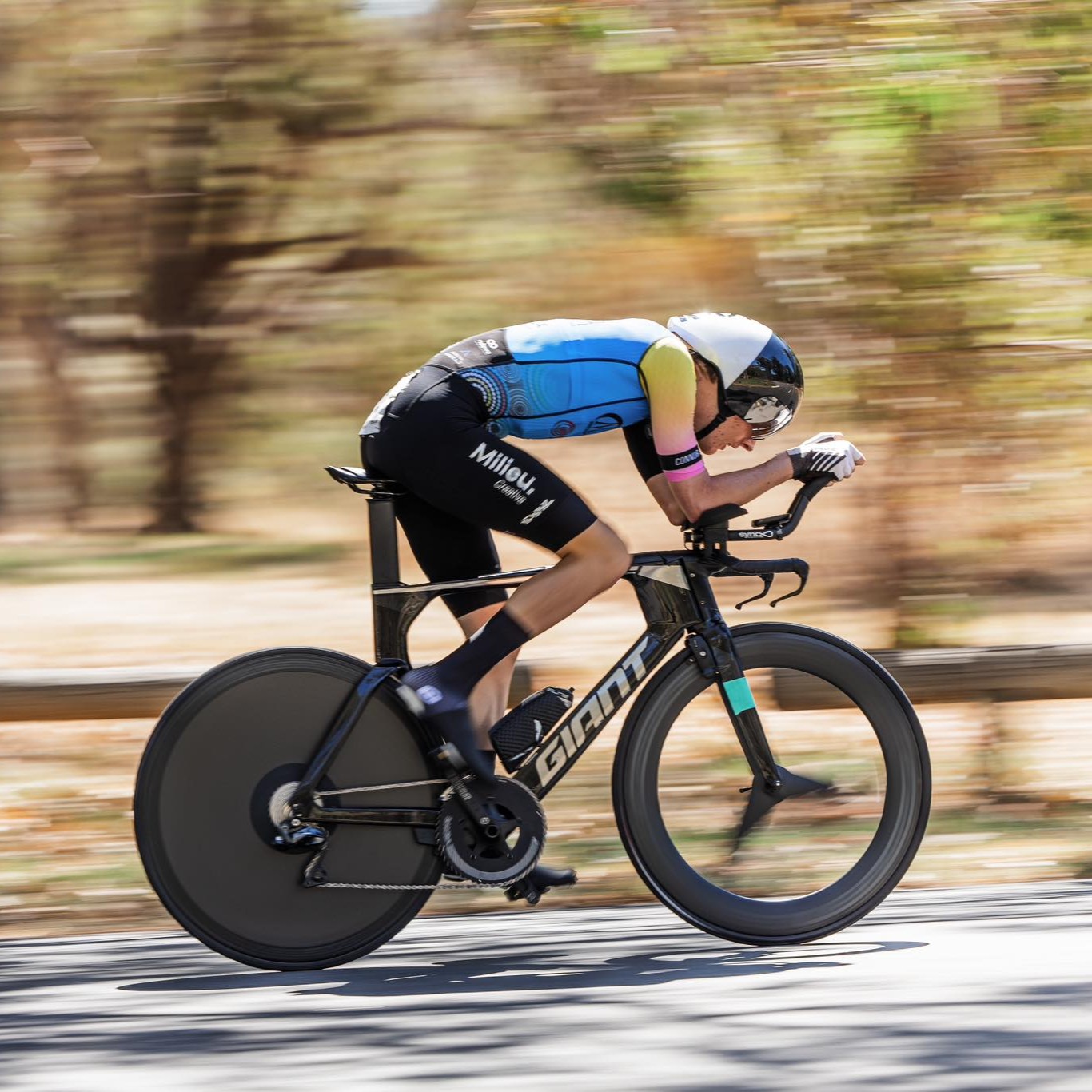
Cyclist riding in an aerodynamic time trial position
Track-Based Testing

Test your position in motion.

There are two established approaches to measuring the CdA of a cyclist: wind-tunnel testing and track-based aero testing. Exercise Institute uses the track-based method so we can analyse the aerodynamics of a moving cyclist in a realistic riding environment.

Testing takes place at the track or velodrome in Midvale and generally requires around four hours. Once you are comfortable riding on the track, we connect data-logging and wind-measurement equipment to your bike and combine this information with power-meter data to calculate CdA in real time.

  • Establish a repeatable baseline for your current position.
  • Complete approximately five to eight runs with controlled changes.
  • Compare aerodynamic performance against comfort and functionality.
  • Receive a report showing the CdA recorded for each completed run.

Aero testing FAQs.

The Measurement

What is aero testing?

Aero testing measures the forces acting against a cyclist to calculate drag coefficient area, commonly called CdA.

CdA combines the aerodynamic drag coefficient of the rider and bicycle with their frontal area. A lower CdA generally means less aerodynamic resistance and, all else being equal, greater speed for the same power output.

Exercise Institute uses a mathematical track-based testing model to assess the aerodynamics of a cyclist while moving. Track testing enables us to observe changes under real riding conditions while closely monitoring the relevant environmental and performance variables.

Performance

Why should I aero test?

Aerodynamic drag and sustainable power are two of the major factors influencing cycling speed, particularly in time trials.

Power can be developed through training, but aerodynamic improvements need to be measured directly. A position that looks fast is not automatically faster, and a change that benefits one athlete may not benefit another.

We measure your CdA, make controlled changes and then repeat the test to determine whether those adjustments have produced a genuine improvement. The goal is to help you increase speed without requiring an equivalent increase in power.

The quality of aero testing depends on more than the measuring device. A repeatable protocol, controlled trials and proper accounting for environmental variables are essential to producing useful results.

The Session

What is involved?

Allow approximately four hours for testing at the track or velodrome in Midvale.

The track enables us to monitor the environmental variables associated with cycling movement and collect repeatable data from our measurement systems.

Once you are comfortable riding on the track, a data logger and wind-measurement devices are connected to your bicycle. This information works alongside power-meter measurements to calculate your CdA during each run.

We then make controlled adjustments to your setup. These may include changes to handlebar height, saddle height, fore-and-aft saddle position or other relevant elements of your riding position.

We can generally complete between five and eight runs. Each aerodynamic result is considered alongside your perception of comfort and control so the final position remains functional for you as an athlete.

Preparation

What equipment do I need?

Bring your bike, riding kit and the equipment you intend to use in training or competition.

You will need to bring yourself, your bicycle, cycling shoes, cycling clothing and any spare parts required to adjust the bike. You should also bring your intended racing equipment, including items such as your helmet and wheels.

A compatible power meter may be required if Exercise Institute's measurement equipment cannot be fitted to your bike.

You may choose to compare different helmets, wheels or other equipment alongside positional changes. The outcome is individual: equipment or positions that improve one athlete's CdA may not improve another athlete's result.

Suitability

Can anyone aero test?

Aero testing is available to riders across a wide range of performance levels.

Testing runs are generally completed at approximately 70–80% of maximum effort, so the session is controlled rather than an all-out physical test.

You must be sufficiently comfortable and competent riding your bicycle around the track. Exercise Institute generally prefers to test athletes in pairs because this reduces the track-hire cost per rider.

Your Results

What does the final report include?

Your final report records the completed runs and the corresponding CdA measurement from each trial.

The report enables you to compare your baseline against the positions and equipment combinations tested during the session. This provides a clear record of what improved your result and what did not.

In one previous Exercise Institute testing example, the athlete's CdA improved by 8.3%. The modelled effect was a 96-second improvement over a 40-kilometre time trial.

Individual results will vary according to the athlete, their starting position, their anatomy, the equipment tested and their ability to sustain the resulting position.

Pricing.

Aero Testing
$600

Track-based aero testing with Exercise Institute. Sessions generally take around four hours and include repeated testing runs, controlled positional changes and a final report documenting your results.

Testing is generally completed in pairs to help reduce the track-hire cost per athlete. Contact Exercise Institute before purchasing if you need to confirm suitability, equipment compatibility or upcoming testing availability.